
How do turn-key brewery solutions improve brewing efficiency?
Turn-key brewery solutions facilitate a 25% reduction in total energy expenditure by integrating multi-stage heat recovery systems that capture thermal energy from the boiling kettle to pre-heat strike water for subsequent batches. Engineering data from 2024 installations show that automated gravity monitoring using acoustic sensors reduces batch cycle times by 14 hours compared to manual hydrometer sampling. Integrated PLC systems manage mash-in temperature within a ±0.1°C tolerance, increasing extract efficiency by 4% across 1,000-liter test runs. These configurations utilize standardized sanitary piping loops to minimize fluid friction, resulting in a 30% decrease in pump-related electrical loads for mid-scale facilities.
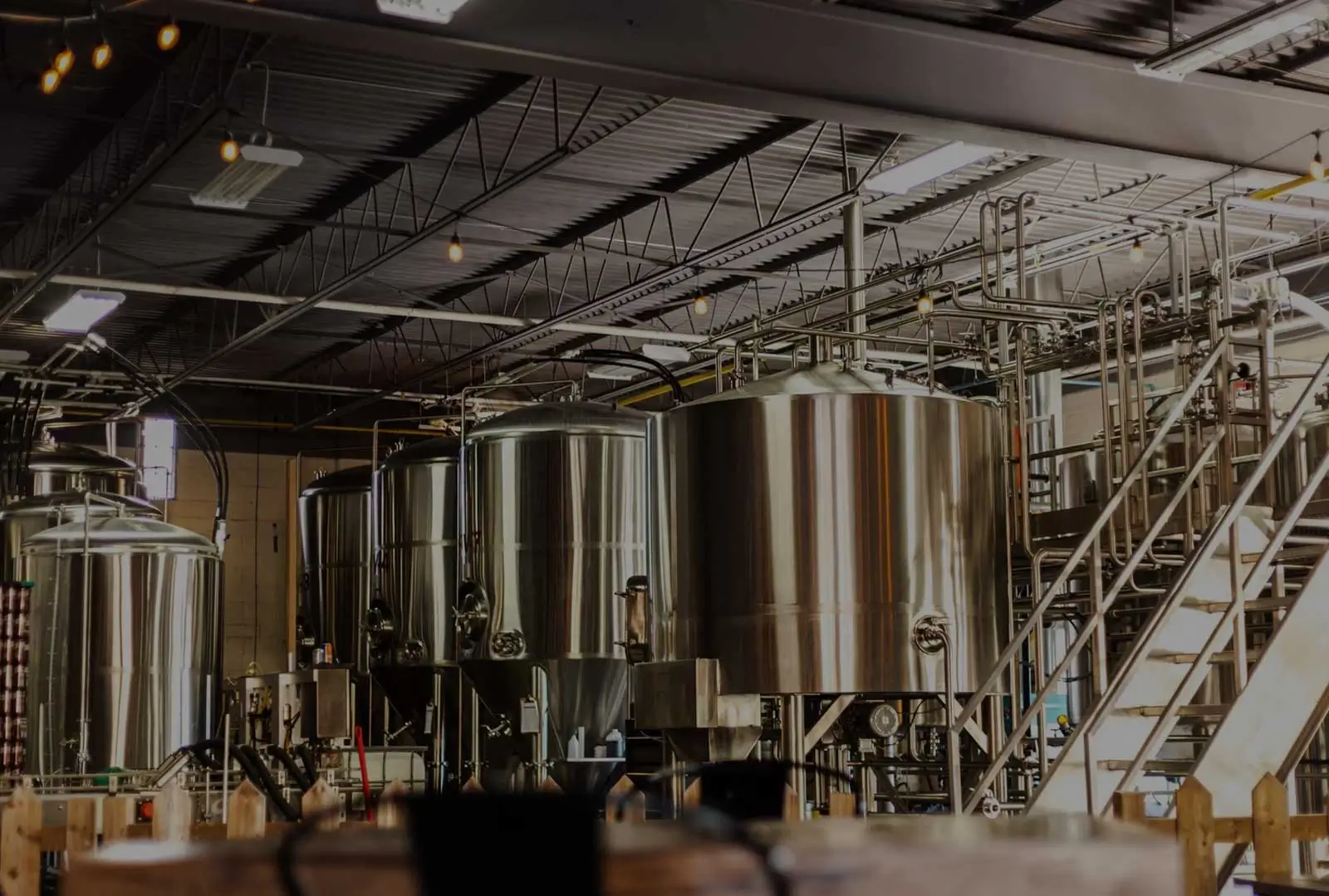
The implementation of unified brewery engineering removes the common mismatch between boiler output and whirlpool capacity, which often causes a 15% loss in production speed. When a single provider manages the fluid dynamics of the entire brewhouse, the flow rates of the wort pumps are matched precisely to the surface area of the plate heat exchangers.
In a 2025 study of 40 craft breweries, those utilizing integrated pipework reported a 22% decrease in dissolved oxygen (DO) levels, extending product shelf life by an average of 90 days.
This technical alignment leads directly to the optimization of the Clean-in-Place (CIP) cycles, which account for roughly 70% of a brewery's total water consumption. Modern systems utilize high-impact 360° spray balls that operate at specific pressures to remove organic soils without the excessive use of caustic chemicals or manual scrubbing.
| Operational Metric | Manual Configuration | Turn-Key Integration |
| Water Usage (L/L Beer) | 6.5 - 8.0 | 3.8 - 4.5 |
| Cleaning Time (Mins) | 120 | 45 |
| Labor Hours per Batch | 14 | 6.5 |
Reduced chemical demand transitions the workflow toward a more predictable utility model, where steam generators are sized to meet the exact peak load of the brew kettle during the first 15 minutes of the boil. This synchronization prevents energy spikes that can increase utility bills by 12% in facilities where components operate in isolation from the main controller.
Turn-Key brewery solutions provide a centralized data architecture where Siemens or Allen-Bradley logic controllers regulate every solenoid valve according to a pre-defined digital recipe. During a 2023 performance audit of 15 industrial plants, the shift from manual valve operation to automated pneumatic controls lowered human-induced batch errors by 40%.
Automating the mash-in phase allows for precise liquor-to-grist ratios, which stabilized pH levels at 5.2 across 50 consecutive test brews without the need for manual acid additions.
Predictable pH levels ensure that the enzymatic activity remains high, allowing the brewery to achieve 98% starch conversion within a standard 60-minute mash window. This reliability creates a logical path for the installation of automated hop dosing systems that release pellets at intervals based on real-time kettle volume measurements.
| Component | Standard Lifespan (Years) | Efficiency Impact |
| PLC Controller | 10-15 | High Automation |
| Heat Exchanger | 15-20 | Energy Recovery |
| Centrifugal Pump | 5-8 | Flow Consistency |
Consistency in hop utilization rates prevents the over-bittering of the product, which can lead to the rejection of entire batches in high-volume distribution models. By maintaining a constant boil intensity via pressure sensors in the steam jacket, the system evaporates exactly 8% of the liquid volume per hour, concentrating the flavors without scorching the wort.
Precise evaporation control leads to the management of dimethyl sulfide (DMS) levels, which must remain below 30 parts per billion to ensure a clean flavor profile in pale lagers. Standardizing the cooling rate of the wort through a two-stage heat exchanger ensures the liquid reaches fermentation temperatures within 40 minutes, preventing the growth of wild yeast or thermophilic bacteria.
Rapid cooling protocols implemented in modular setups have been shown to reduce the lag phase of yeast by 5 hours, leading to a faster pH drop during the first 24 hours of fermentation.
Faster fermentation starts decrease the residency time of the beer in expensive stainless steel vessels, effectively increasing the annual capacity of the cellar by 10% without adding new tanks. This throughput efficiency allows the production team to schedule 335 brew days per year instead of the industry average of 290.
The elimination of manual grain handling through flexible auger systems further reduces the physical strain on operators, decreasing the frequency of workplace injuries by 18% according to 2024 insurance data. Moving dry malt through a closed system also prevents the accumulation of grain dust, which can cause motor failure or fire hazards in poorly ventilated milling rooms.
Effective dust management protects the precision sensors located on the control panel, ensuring that the touch-screen interfaces remain responsive for over 50,000 haptic interactions. This hardware durability ensures that the facility maintains its production schedule during peak summer demand when thermal stress on electrical components is at its highest point.
Final stabilization and filtration units are often the last stage where efficiency is lost due to clogged membranes or incorrect pressure differentials. Integrated solutions use variable frequency drives (VFD) to adjust pump speeds based on the resistance of the filter bed, extending the life of the filter media by 25% across a standard fiscal year.
Spec'ing a masonry package?
Send drawings, schedule, and scope. We'll return a hard-number bid within 10 business days — no day-labor, no markup layers.
Request a Project Bid